Showing posts with label 100 easy lessons. Show all posts

100 Easy Lessons: Curriculum Content and Skill Progression: Lessons 31-35

Curriculum Content and Skill Progression: Lessons 31-35

This section maps the sequential introduction of new phonetic concepts, vocabulary, and reading material across Lessons 31-35. This analysis demonstrates the curriculum's incremental and cumulative design, where each lesson methodically builds upon the skills and knowledge established in the preceding ones. The careful pacing ensures that students are not overwhelmed and can achieve mastery at each step before moving forward.

The following table outlines the core learning objectives and content for each of the five lessons in this sequence.

Lesson Number New Sound(s) / Sight Word(s) Introduced Key Vocabulary Practice Story Text for Reading Application
Lesson 31 Sound: w lock, and, sand, fun, luck, sun, little, lick a man sat in the sand. a little ant can see the man. the ant is mad.
Lesson 32 Review of previously learned sounds duck, win, will, luck, with, we, fill, feel, mud this little cat can run in sand. that little cat can sit on sand. see the feet.
Lesson 33 Sound: g we, cat, run, lick, duck, win, will, with, can we see a duck. we can sit in the sun with that duck. it is fun in the sun.
Lesson 34 Sight Word: I got, sun, gun, win, rug, rag, duck, luck, with we will run. I will win. I am not a duck. I am an ant.
Lesson 35 Sound: sh (digraph) lot, rug, got, log, little, lick, win, we, duck a cat sat on a little rug. the cat got mud on that rug. mom got mad at the cat.

The progression illustrated in the table is deliberate and highly effective. Each lesson introduces only one new phoneme or a single high-frequency sight word. This new element is then immediately integrated into carefully constructed "decodable passages." These texts are composed almost entirely of phonemes and sight words that have been explicitly taught, allowing students to apply their new skills with a high rate of success. Furthermore, Lesson 35 marks a crucial step from single letter-sound correspondences to digraphs ('sh'), where two letters represent a single sound, indicating an increase in phonetic complexity. This design ensures that students build a strong, interconnected foundation of phonetic knowledge.

This structured content progression serves as the vehicle for developing a range of interconnected literacy competencies.

My Reading Practice Stories: Lessons 31-35

A Note for Our New Reader!

Hello, Super Reader! You have been working so hard learning new words and sounds. Now it's time for the really fun part. Each story uses the special sounds and words you just practiced in your lessons, from 31 to 35. This is your special chance to show off all your amazing new reading skills. I know you can do it!


1. Story from Lesson 31: The Mad Ant

a man sat in the sand. a little ant can see the man. the ant is mad.


2. Story from Lesson 32: Cats in the Sand

this little cat can run in sand. that little cat can sit on sand. see the feet.


3. Story from Lesson 33: Fun in the Sun

we see a duck. we can sit in the sun with that duck. it is fun in the sun.


4. Story from Lesson 34: The Race

we will run. I will win. I am not a duck. I am an ant.


5. Story from Lesson 35: The Muddy Cat

a cat sat on a little rug. the cat got mud on that rug. mom got mad at the cat.

Integrating "Teach Your Child to Read in 100 Easy Lessons" into the Classroom

Bringing the Magic of 'Teach Your Child to Read in 100 Easy Lessons' into Your Classroom: A Teacher's Guide to Making It Work

As a teacher, you're always on the hunt for resources that actually deliver—ones that are backed by solid research, easy to implement, and flexible enough to fit the chaos of a real classroom. Enter Siegfried Engelmann's Teach Your Child to Read in 100 Easy Lessons (TYCTR for short). This gem has been around since the 1980s, rooted in Direct Instruction principles, and it's helped countless kids crack the code of reading through scripted, step-by-step phonics lessons. Originally designed for parents doing one-on-one at home, it's not a perfect plug-and-play for schools. But with some smart tweaks, it can supercharge your literacy instruction, especially for early elementary or intervention groups.

I've seen teachers swear by it for building foundational skills like blending sounds and decoding words, but adapting it requires creativity to handle group dynamics, diverse learners, and limited time. In this post, I'll dive deeper into how to integrate TYCTR into your classroom, drawing from educator experiences, potential pitfalls, and practical strategies. Whether you're in a public school juggling 25 kids or a homeschool co-op leader, these tips can help you make it shine. Let's break it down.

Why TYCTR Fits (and Sometimes Doesn't) in a Classroom

Before we jump into adaptations, a quick primer: The program consists of 100 scripted lessons, each about 15-20 minutes, focusing on phonics, blending, and simple stories. It's highly structured—no guesswork for you or the kids—which is why it's so effective for beginners. Research from the National Institute for Direct Instruction (NIFDI) highlights its success in teaching kids to read at a solid second-grade level by the end.

But classrooms aren't one-on-one setups. Kids vary wildly in readiness, attention spans, and backgrounds. Plus, the book's unique "DISTAR" font (a modified alphabet to ease blending) can trip up transitions to standard print. The good news? Teachers who've used it report big gains in confidence and skills, especially for struggling readers or English learners. Common challenges include pacing for groups and keeping engagement high. With that in mind, here's how to adapt it effectively.

1. Leverage Small Group Instruction for Personalized Phonics Power

The heart of TYCTR is its scripted format, which shines in small groups of 4-6 students. Group kids by reading levels—use quick assessments like letter-sound recognition or simple blending tasks to sort them. For example, pull your emerging readers during literacy block for a daily 15-minute session.

Tips for Success:

  • Rotate Groups Wisely: If you have multiple groups, alternate days or use aides/volunteers for support. One teacher shared on forums that she ran TYCTR groups three times a week, supplementing with independent activities on off days.
  • Script Tweaks: The lessons are teacher-led, so practice the scripts ahead to make them feel natural. Encourage choral responses (everyone blending together) to build confidence and keep wiggly kids engaged.
  • Real-World Win: In a kindergarten class, this approach helped a group of ESL students blend sounds faster than traditional methods, leading to quicker independence in reading centers.

Challenge: Advanced kids might breeze through—pair this with extension activities like writing their own sentences using lesson words.

2. Differentiate to Meet Every Kid Where They Are

No two students learn the same, so differentiation is key. TYCTR's structure allows for easy adjustments: Slow down for strugglers by repeating sounds or adding manipulatives, or speed up for quick learners by skipping reviews.

In-Depth Strategies:

  • Scaffolding Examples: For a child struggling with blending, use physical props like magnetic letters to build words before reading them in the book. Add visual aids, like color-coding vowels, to reinforce.
  • Pacing Flexibility: If a lesson feels overwhelming, split it across two days. One educator noted that for her special ed inclusion class, extending lessons with games (e.g., sound bingo) prevented frustration.
  • Assessment-Driven Adjustments: Embed quick checks—have kids read a word list post-lesson. If half the group nails it, move on; otherwise, reteach with partners.

This isn't just theory; teachers report that tailored pacing reduces behavior issues and boosts buy-in, turning potential drop-offs (like the infamous Lesson 70 hurdle) into manageable bumps.

3. Weave It into Guided Reading for a Balanced Literacy Boost

Guided reading is your classroom staple—why not enhance it with TYCTR's targeted phonics? Use the book as a warm-up: Start sessions with a quick TYCTR sound review, then transition to leveled texts for fluency and comprehension practice.

How to Make It Seamless:

  • Integration Ideas: After a TYCTR story, discuss vocabulary or retell in small groups. This builds on the program's decoding focus by layering in higher skills.
  • Supplemental Resources: Pair with decodable books like Bob Books or Flyleaf Publishing sets. A veteran teacher mentioned using TYCTR for phonics "drills" before diving into comprehension questions from guided readers.
  • Benefits Observed: Kids often show faster progress in word attack skills, making guided sessions more productive. One study-inspired tip: Repeated readings of TYCTR stories can mimic the vocabulary gains from rereading favorites, as seen in parent-shared videos of engaged toddlers.

Pro Tip: Track fluency with timed reads to see the phonics payoff in real time.

4. Set Up Literacy Centers for Independent Reinforcement

Turn TYCTR into a hands-on center where kids practice skills autonomously or in pairs. Dedicate a corner with the book, whiteboards, and props—think letter tiles for word-building or flashcards for sound review.

Practical Setup:

  • Station Activities: Assign "review lessons" where kids reread past stories aloud to a partner. Add tech like apps (e.g., Phonics Monster) for variety.
  • Rotation Schedule: Cycle groups through the center 2-3 times a week. Teachers love this for freeing up time during whole-class instruction.
  • Engagement Hacks: Incorporate choice—let kids pick a favorite lesson to revisit. Feedback from online communities shows this fosters ownership, with kids often exceeding expectations in self-paced practice.

Watch for: Over-reliance on the center; balance with teacher check-ins to correct errors early.

5. Harness Peer Tutoring for Collaboration and Confidence

Pair stronger readers with those needing support—it's a win-win for skill-building and classroom community. Advanced students can lead simple TYCTR reviews, modeling blending and correction techniques.

Implementation Guide:

  • Training Peers: Spend a session teaching tutors how to use the scripts kindly (e.g., "Say it faster!"). Start with short, 5-minute pairings.
  • Mutual Growth: Tutors reinforce their own skills while tutees get low-pressure practice. One teacher's story: Her third-graders tutoring kindergartners created a "reading buddy" culture that improved attitudes toward literacy.
  • Monitoring: Circulate to provide feedback, ensuring accuracy.

This approach aligns with social-emotional learning goals, turning reading into a team effort.

6. Monitor Progress Like a Pro to Stay on Track

TYCTR includes built-in checks, but amp it up with tools like DIBELS or running records. Log progress weekly to spot trends—e.g., if blending dips, revisit earlier lessons.

Advanced Tips:

  • Data Tools: Use spreadsheets or apps like ClassDojo for quick notes. Set benchmarks: By Lesson 50, aim for 80% accuracy in story reading.
  • Intervention Triggers: If a student stalls, layer in multisensory activities (e.g., sand tracing letters). Educators emphasize celebrating milestones to maintain motivation.
  • Long-Term View: Track beyond the program—many kids hit fluent reading post-100 lessons, ready for chapter books.

7. Tackle the Font Issue Head-On for Real-World Reading

TYCTR's special font helps with blending but can confuse kids when switching to standard print. Don't ignore it—plan a transition.

Strategies to Generalize Skills:

  • Exposure Variety: Introduce books in different fonts early, like Dr. Seuss or leveled readers. Gradually phase out the TYCTR font around Lesson 75.
  • Bridge Activities: Rewrite lesson stories in regular print for practice. Critics note the paperback edition's clutter can overwhelm, so consider the original or digital alternatives if available.
  • Teacher Insight: From dyslexia experts, this step prevents "font dependency," ensuring kids decode anywhere.

8. Loop in Parents for Home-School Reinforcement

Parents are your allies—share TYCTR overviews via newsletters or workshops. Encourage home use to echo classroom lessons.

Engagement Ideas:

  • Resources to Share: Send home printable sound charts or lesson summaries. Suggest 10-minute daily reads.
  • Communication Wins: Host "family reading nights" demoing TYCTR. Parents report huge boosts when aligned with school, like kids reading independently sooner.
  • Support for All: Provide translations or audio guides for non-English speakers.

Making TYCTR Your Classroom Supertool

Integrating Teach Your Child to Read in 100 Easy Lessons isn't about overhauling your curriculum—it's about enhancing it with proven phonics in ways that fit your style and students. From small groups to peer tutoring, these adaptations can lead to confident, capable readers. Remember, flexibility is key: Monitor, adjust, and celebrate progress. If challenges arise, like engagement dips, lean on communities like teacher forums or NIFDI resources for more ideas.

Have you tried TYCTR in your classroom? What adaptations worked (or didn't)? Share in the comments—we can all learn from each other's wins and tweaks. Happy teaching!


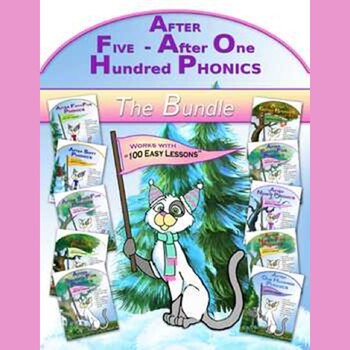
Phonics Activities Bundle for Teach Your Child to Read in 100 Easy Lessons


Are you ready to take your child's reading journey to the next level? Our "After Five" Through "After One Hundred" Phonics All-in-One Bundle is the perfect companion to the "Teach Your Child to Read in 100 Easy Lessons" curriculum.

This comprehensive bundle is packed with phonics activities, flashcards, and crafts that align with each lesson from 1 to 100. Plus, we've included writing practice sheets to reinforce the sounds your child is learning. And the best part? Everything is available in both color and black and white.

We understand that repetition is key for young learners, and while "Teach Your Child to Read" has built-in repetition, our bundle offers even more opportunities for practice. But it's not just about repetition - it's about making learning fun and engaging. Our crafts and hands-on activities bring each lesson to life, keeping your child excited and motivated.

Don't just take our word for it. One of our customers said, "Love these printables. It was the main thing that made this program doable for us. My son really struggled with the book and was bored with it quickly, but he tolerated it when he got to do these lessons afterwards."

So, are you ready to enhance your child's reading experience? Click the link below to purchase the "After Five" Through "After One Hundred" Phonics All-in-One Bundle today. Let's make reading fun, engaging, and successful for your child!


Overcoming the Lesson 70 Hurdle in "100 Easy Lessons"

Hitting the Wall at Lesson 70: How We Got Past the Toughest Part of Teaching My Kid to Read

Teaching your little one to read is one of those parenting adventures that's equal parts thrilling and exhausting. I remember when I first cracked open "Teach Your Child to Read in 100 Easy Lessons" (or TYCTR, as I'll call it from here on out) with my son. He was just 3.5 years old, full of energy and curiosity, and I was pumped to dive in. We'd carve out 15 minutes a day for a lesson, and honestly, it felt like magic at first. In a little over two months, we zoomed up to lesson 75. But then, right around lesson 70, things changed. What used to be our fun daily ritual turned into a battle of wills. He'd drag his feet, I'd coax and plead—it was like the joy had vanished overnight.

Turns out, we weren't the only ones. After chatting with other parents online and in playgroups, I learned that lesson 70 is this infamous stumbling block for so many families using TYCTR. It's comforting to know it's not just us, right? If you're in the thick of it, hang in there—I've got some insights and tips that might help you sail through.

What Makes Lesson 70 Such a Roadblock?

So, why does this particular spot trip kids up? Around lesson 70, the book ramps things up with longer stories and more twisty sentences. For a young reader—especially one starting as early as my son did—this jump can feel like going from splashing in the kiddie pool to swimming laps in the deep end. The texts aren't just longer; they're denser, with more complex ideas that demand better focus and stamina.

It's not just about the reading skills, either. That initial excitement of "Hey, I can read!" starts to fade when the work gets harder. Frustration sets in, attention wanders, and suddenly, your eager learner is begging for anything but another lesson. It's a mix of cognitive overload and plain old burnout, and it's totally normal.

Our Game Plan: Tips to Push Through (or Around) the Hurdle

We didn't give up, but we did get creative. Here are some strategies that worked for us and others I've heard from. The key? Flexibility and keeping things positive—no one learns well when they're miserable.

  1. Hit Pause and Recharge
    Sometimes, the smartest move is to step away. We took a week off from the structured lessons, and instead, I just read aloud to him—favorite picture books, silly stories, whatever caught his eye. I'd trace the words with my finger as I went, so he was still absorbing without the pressure. It was like a reset button; he came back refreshed and less resistant.
  2. Slow It Down
    Rushing through a full lesson every day was part of our problem. We started splitting them up—maybe just the sounds and words one day, then the story the next. This made everything feel bite-sized and less scary, and it kept his interest from tanking.
  3. Mix in Some Fun
    Who says learning has to be all serious? We turned to games like phonics bingo, flashcards with goofy drawings, and even a few kid-friendly reading apps. Rewards helped too—a sticker for finishing a section or ice cream after five lessons. It shifted the vibe from "chore" to "challenge with perks," and his motivation spiked.
  4. Go Back to Basics for a Confidence Boost
    To rebuild his mojo, we dusted off easier books like the Bob Books series or simple phonics readers. Focusing on stuff he already nailed made him feel like a rockstar again. It reinforced the foundations without the frustration, and when we circled back to TYCTR, he was way more ready.
  5. Consider Timing and Readiness
    Not every kid is wired the same. Some parents I talked to paused the program entirely until their child hit 5 or 5.5 years old. At that age, the brain's often better equipped for the complexity, and emotions are a tad more stable. If your little one seems overwhelmed, it might be worth waiting—it doesn't mean you're failing; it means you're tuning into their needs.

The Light at the End: What Happens After You Clear It

I've heard so many inspiring stories from parents who powered through. One mom said lesson 70 felt endless, but by 90, her daughter was hooked again, loving the "real" stories. Finishing all 100 lessons? It's like unlocking a superpower. Kids emerge reading fluently, with this huge sense of pride. For us, it was worth every tough day—seeing my son pick up a book on his own and devour it? Pure magic.

Wrapping It Up: You're Not Alone in This

If you're staring down lesson 70 and feeling defeated, take a breath. It's not a sign your child's not cut out for reading, or that you've messed up as a teacher. It's just a bump in a program that's helped tons of families. Whether you pause, tweak, or wait it out, the goal is to nurture a love for reading, not force it.

Patience is your best friend here, along with celebrating those tiny wins—like nailing a tricky word or finishing a page without tears. Tailor the approach to what fits your kid, and you'll get there.

Have you hit this wall with TYCTR? What tricks got you over it? Drop your stories in the comments—I'd love to hear, and who knows, your tip might be the lifesaver another parent needs.


Phonics Activities Bundle for Teach Your Child to Read in 100 Easy Lessons


Are you ready to take your child's reading journey to the next level? Our "After Five" Through "After One Hundred" Phonics All-in-One Bundle is the perfect companion to the "Teach Your Child to Read in 100 Easy Lessons" curriculum.

This comprehensive bundle is packed with phonics activities, flashcards, and crafts that align with each lesson from 1 to 100. Plus, we've included writing practice sheets to reinforce the sounds your child is learning. And the best part? Everything is available in both color and black and white.

We understand that repetition is key for young learners, and while "Teach Your Child to Read" has built-in repetition, our bundle offers even more opportunities for practice. But it's not just about repetition - it's about making learning fun and engaging. Our crafts and hands-on activities bring each lesson to life, keeping your child excited and motivated.

Don't just take our word for it. One of our customers said, "Love these printables. It was the main thing that made this program doable for us. My son really struggled with the book and was bored with it quickly, but he tolerated it when he got to do these lessons afterwards."

So, are you ready to enhance your child's reading experience? Click the link below to purchase the "After Five" Through "After One Hundred" Phonics All-in-One Bundle today. Let's make reading fun, engaging, and successful for your child!


100 Easy Lessons Word List (flashcards)

 
To use these words as flashcards, start by printing or writing each word on individual index cards, ensuring the Lesson Number is included for easy reference. Begin with the earliest lessons (e.g., Lesson 10) and introduce the corresponding words (e.g., am, mÄ“, sat) one at a time. Show the word to your child, have them sound it out, and then flip the card to check the lesson number for tracking progress. For reinforcement, group words by phonics patterns (e.g., short a words like am, sat, ram) or sight words (e.g., the, was). Use the cards daily for quick, focused practice, gradually introducing new words as your child masters previous ones. To make it engaging, turn it into a game—time how quickly they can read a set of cards or let them "teach" you by flipping the cards and reading aloud. This method builds fluency, reinforces phonics skills, and aligns perfectly with the progression of Teach Your Child to Read in 100 Easy Lessons.

Download the list here (no opt-in required) -- https://drive.google.com/file/d/1JMazxbeInCB0JWpRNhZfi8PP5MNcpGfJ/view?usp=sharing


100 Easy Lesson Words Sorted into Decodable Groups

Teach Your Child to Read in 100 Easy Lessons word list sorted into decodable reading groups based on phonics progression:

Download the sorted list here -- https://drive.google.com/file/d/1WyhPZ-B8OmNm_RiTnvlwdpVv3R9UWHNr/view?usp=sharing

1. CVC Words (Short Vowel, Consonant-Vowel-Consonant)

2. CCVC & CVCC Words (Beginning and Ending Blends)

3. Silent E (CVCe Words)

4. Long Vowel Teams (Vowel Digraphs)

5. R-Controlled Vowels

6. Diphthongs (ou, ow, oi, oy, au, aw)

7. Inflected Endings (-ing, -ed, -s, -es)

8. High-Frequency & Sight Words

9. Compound Words

10. Multisyllabic Words (Advanced Decoding)

1. CVC Words (Short Vowel, Consonant-Vowel-Consonant)

(Basic phonics for early readers) am, an, ant, at, bad, bag, bed, big, bit, bug, but, can, car, cat, cop, did, dig, dog, fat, fin, fit, fog,

fun, gas, get, got, gun, had, ham, hat, hid, hit, hop, hot, hug, if, in, it, kit, log, mad, man, mop, mud,

not, nut, on, pet, pig, pot, rag, ram, ran, rat, red, rid, rod, rub, rug, run, sad, sat, sick, sit, sun, top, tub,

up, win, yes, zip


2. CCVC & CVCC Words (Beginning and Ending Blends)

(Words with consonant blends at the start or end) blam, blap, black, bring, brush, chick, chop, clam, clasp, cluck, crash, dish, duck, dust, frog,

grab, grass, grin, plop, pluck, shack, ship, shot, slap, slip, smell, snack, snap, sniff, spoon, spot,

stack, stamp, start, stick, stomp, stop, swim, swing, track, trip, truck, twill


3. Silent E (CVCe Words)

(Words with a long vowel and final 'e') ate, bake, came, cake, fine, game, gate, gave, hide, hope, late, like, made, make, mile, name,

note, pine, ride, smile, take, tame, time, wave, white


4. Long Vowel Teams (Vowel Digraphs)

(Words with vowel pairs that make long sounds) be, boat, coat, eat, feel, feet, goat, green, hear, meat, moon, neat, near, rain, read, road, seat,

see, seed, seem, sleep, teach, tree, white


5. R-Controlled Vowels

(Words where vowels are controlled by 'r') arm, barn, born, charm, corn, farm, hard, her, here, horse, learn, near, part, short, shore, smart, start, storm, torn, world


6. Diphthongs (ou, ow, oi, oy, au, aw)

(Gliding vowel sounds) around, boy, brown, cow, down, how, house, loud, mouse, out, outside, proud, sound, shout,

toy, town, wow, yellow, zoom


7. Inflected Endings (-ing, -ed, -s, -es)

(Words with added endings) ate, baking, biggest, biting, brushing, cooked, eating, feeling, fishing, folded, getting, hugged,

hunting, kicked, liked, looking, playing, quacking, reading, running, smiled, smiling, talking,

teaching, waited, walking, wanted, waving, yelling, zooming


8. High-Frequency & Sight Words

(Common words often memorized rather than decoded) a, and, are, as, away, back, come, do, does, each, ever, every, for, from, go, has, have, he, here,

how, I, is, it, me, more, my, no, of, old, on, or, other, our, over, said, she, some, that, the, their,

them, then, there, these, they, this, those, to, too, two, up, was, we, well, went, were, when,

where, who, will, with, yes, you


9. Compound Words

(Two words combined to form a new word) barnyard, beehive, birdhouse, classroom, farmyard, inside, moonlight, pancake, railroad,

raincoat, sailboat, snowman, sunshine, treehouse


10. Multisyllabic Words (Advanced Decoding)

(Words with multiple syllables requiring blending skills) another, beagle, biggest, brother, children, dinosaur, eagle, elephant, fantastic, feeling, forever,

fantastic, happiness, mitten, pancake, pineapple, powerful, shopping, toothbrush, waterfall


WordLesson
am10
me10
sat10
see10
at11
eat11
ram11
rat11
Sam12
seat12
seed12
mad13
meat13
read13
sad13
ear15
it15
meet15
sit15
is16
seem16
that17
this17
the18
mitt19
rid19
cat20
sack20
rack21
sick21
a22
mom22
rock22
rod22
sock22
an24
can24
in24
not24
on24
ant25
man25
near25
and26
fan26
fat26
feet26
if26
fin27
fun27
run27
feed28
fit28
mud28
sun28
nut29
fill30
land30
lick30
lid30
little30
lot30
sand30
lock31
luck31
duck32
feel32
we32
will32
win32
with32
gun34
I34
rag34
rug34
log35
said36
shack36
she36
shot36
ate38
fish38
late38
made38
tail38
wish38
cow39
did39
dish39
game39
gate39
hate39
now39
wow39
gates40
was40
has42
he42
hill42
him42
his42
hits42
hot42
hug42
kick42
kiss42
nod42
cake43
go43
had43
lake43
no43
nose43
teeth43
ham44
kitten44
old44
so44
take44
tame44
lots45
rocks45
same45
have46
make46
of46
sacks46
save46
coat47
cold47
for47
gave47
goat47
need47
or47
socks47
coats48
hat48
hats48
to48
car49
cop49
ears49
far49
hop49
mop49
tar49
top49
dog50
here50
hope50
pot50
ran50
us50
cops51
fog51
sheep51
are52
came52
cars52
chop52
park52
shop52
cakes53
each53
farm53
girl53
home53
ship53
arm54
charm54
pots54
rain54
tops54
wet54
do55
down55
let55
road55
those55
went55
dogs56
hate56
pet56
red56
them56
then56
big57
bit57
bug57
chicks57
pig57
there57
well57
be58
bugs58
getting58
hit58
how58
leaf58
bed59
bite59
but59
let's59
like59
more59
sleep59
ten59
tub59
end60
five60
likes60
rub60
sitting60
stop60
talk60
walk60
dark61
dime61
dive61
live61
rich61
sleeping61
you61
boy62
deer62
farms62
hunting62
into62
led62
stopping62
waves62
year62
yes62
card63
find63
her63
hunt63
love63
mother63
other63
seen63
they63
bring64
brother64
up64
eagle65
going65
over65
shore65
toy65
must66
side66
come67
ever67
jump67
leave67
lived67
moon67
never67
people67
some67
spoon67
swim67
broke68
day68
every68
jumped68
jumps68
men68
start68
swimming68
tell68
walked68
back69
gold69
hand69
nine69
teach69
away70
bag70
bill70
filled70
inside70
tree70
under70
when70
white70
yelled70
brush71
Eagle's71
look71
looked71
saved71
smile71
tiger71
brushing72
fell72
liked72
room72
shine72
smiled72
tooth72
walking72
barn73
fly73
horse73
my73
teaching73
where73
born74
corn74
eagles74
got74
or74
sold74
told74
eating75
fishing75
fold75
have75
nine75
talking75
torn75
brother76
brushed76
hear76
makes76
mile76
trees76
fine77
gas77
started77
stopped77
town77
way77
black78
book78
having78
meets78
sing78
singing78
talked78
talks78
things78
time78
took78
fast79
ho79
mean79
note79
part79
sore79
swam79
very79
left80
as81
deal81
good81
zoom81
did82
fun82
grass82
just82
bad83
ears83
hold83
she83
soon83
were84
yell84
yelling84
digging85
dug85
get85
hole85
stay85
yard85
holes86
quick86
quit86
quitting86
beagle87
Biff87
Boo87
held87
smell87
store87
story87
thing87
tore87
Zzzz87
from88
picked88
rail88
comes89
gets89
loud89
our89
out89
pick89
sound89
chick90
logs90
outside90
shouted90
play91
say91
want91
hid92
hide92
line92
notes92
something92
hard93
leg93
don't94
green94
pail94
pain94
paint94
blap95
deep95
ding95
frog95
ruck95
sounds95
spots95
these95
another96
around96
biggest96
dust96
found96
house96
mouse96
proud96
spring96
bed97
too97
biting98
dish98
blam99
tigers99
last100
licked100
noses100
thank100