

Hey there, fellow parents and educators!
I recently had a fantastic opportunity to sit in on a
community discussion about "Teach Your Child to Read in 100 EasyLessons," a book I've seen lots of buzz about. I gathered a ton of
insights from parents and educators who've been there, done that. So, I thought
I'd share these nuggets with you, in case you're on the fence about giving this
book a try.
1. From Zero to Hero
One of the first
things that grabbed my attention in the discussion was the sheer amount of
praise coming from parents who've used "Teach Your Child to Read in 100Easy Lessons." You know, it's one thing to hear about a book's supposed
effectiveness from the marketers, but hearing real-world success stories
straight from other parents - well, that's a whole different level of
persuasion!
I heard from
multiple moms and dads whose little ones managed to jumpstart their reading
journey using this book. And we're not talking about just getting a few words
down - these kids are becoming fluent readers, piecing together sentences and
engaging with text independently. All this, mind you, before they've even
stepped foot into a kindergarten classroom. Now that's impressive!
This rapid progress
can be attributed to the book's unique and efficient lesson structure, which
makes it super approachable for both parents and children. Each lesson is
bite-sized yet power-packed, with an excellent balance between introducing new
concepts and reinforcing previous ones. This systematic approach makes it a
breeze to build up your child's reading skills steadily and quickly.
What really excites
me is that this rapid progression isn't just limited to a few isolated cases.
So many parents have shared similar experiences that it's hard to ignore the
pattern. If you, like me, get a thrill from seeing your little one's knowledge
expand and develop rapidly, this book might just be the rocket fuel you're
looking for!
Still, it's worth
remembering that while the quick pace works wonders for some, it may not suit
everyone (more on this later!). However, for those parents who are keen to give
their children a flying start in their literacy journey, "Teach Your Child
to Read in 100 Easy Lessons" may just be the magic key you're looking for.
2. A Proven Track Record
Now, I'm a big fan of using proven techniques and strategies
when it comes to teaching my kids. There's something incredibly reassuring
about knowing that the methods you're using have been studied, tested, and
proven effective. And "Teach Your Child to Read in 100 Easy Lessons"
comes with such a pedigree.
It is based on the Direct Instruction method developed by
Siegfried Engelmann. You might know it better by its other names - Distar or
SRA Reading Mastery. These programs have a long history and a solid reputation
for producing strong readers, something that gives me a lot of confidence in
their efficacy.
The Direct Instruction approach is all about clear, concise
teaching, with an emphasis on small learning increments and constant review.
The goal is to eliminate confusion and ensure that students understand every
concept fully before moving on to the next one. The beauty of this approach is
that it builds a solid foundation of literacy skills, allowing children to
become confident, competent readers.
I must admit, the more I dug into the roots of this book,
the more impressed I became. This isn't some unproven, experimental approach to
teaching kids to read. Engelmann's methods have been researched extensively and
have decades of successful application behind them. This level of empirical
support isn't common in every reading program out there, so it really stands
out.
So, for all you fellow parents out there who, like me, want
to ensure you're backing a winning horse, "Teach Your Child to Read in 100
Easy Lessons" might just be the horse to bet on. The substantial research
and evidence supporting the effectiveness of the Direct Instruction method make
it a promising choice for your child's reading journey.
3. But Wait, Is It Too Fast?
As I was soaking up all these positive vibes about
"Teach Your Child to Read in 100 Easy Lessons", I stumbled upon some
feedback that gave me pause. Turns out, not every parent finds the book's pace
to be just right. Some feel it zips along a bit too quickly for their kids.
It brought to mind the time I decided to give yoga a try
through YouTube. There I was, hoping to experience a tranquil, slow-paced
exercise routine, but instead found myself fumbling and rushing to keep up with
the fast-changing poses on the screen. If your child is like me, someone who
likes to take their time to absorb and explore each new concept, the brisk pace
of the lessons in this book might feel a bit like a whirlwind tour.
It's important to remember that learning is not a one-size-fits-all
process. What works for some kids might not work for others. We all know that
children learn at different speeds, and that's completely normal. My little
one, for instance, likes to explore new concepts thoroughly before moving on to
the next. He enjoys dwelling on the details, asking tons of questions, and
would find a quicker pace quite overwhelming.
So, while some parents might find the pace of the book to be
a blessing (let's face it, who doesn't love quick results?), others might find
it to be more of a hurdle. If you've got a little one who prefers a leisurely
stroll over a sprint when it comes to learning, "Teach Your Child to Read
in 100 Easy Lessons" might come across as a bit too speedy. But don't
fret; there's always a way to adapt and make it work for your kiddo. After all,
isn't parenting all about finding creative solutions?
4. A Note on Special Education
Now, let's talk about our precious little ones who have
special educational needs. In my quest to understand how "Teach Your Child
to Read in 100 Easy Lessons" works across different learning contexts, I
found that its impact varies when it comes to children with learning
disabilities.
On the one hand, there were stories of success – parents who
had seen notable progress in their children's reading skills after using this
book. It's heartening to see that some kids with learning disabilities are able
to gain so much from this method. It's proof that with the right tools, every
child can shine.
However, on the other side of the coin, some parents
reported that the book didn't quite hit the mark, especially for their dyslexic
kids. This didn't surprise me too much. We all know that dyslexia requires a
specialized approach, and it seems that the Orton-Gillingham method might be
the preferred option for many.
This method is a systematic, sequential, and multisensory
way to teach literacy. It's specifically designed to help children with
dyslexia and other reading difficulties, providing a more structured and
immersive learning experience.
So, if you have a child with dyslexia, it may be worth
exploring the Orton-Gillingham approach as well. And let's not forget, every
child is unique, and what works best for one might not work as well for
another. What matters most is finding the path that helps your child flourish
and unlock their true potential.
5. ELL Learners, You're Covered
Then there's the amazing experience of English Language
Learners (ELL). One anecdote that truly warmed my heart was from a person who
had been an ELL student in elementary school. This individual learned to blend
sounds using the same method taught in "Teach Your Child to Read in 100
Easy Lessons". Fast forward a few years, and not only are they fluent in
English, but they've also carved out a successful bilingual career for
themselves.
As someone who wrestled with Spanish back in high school
(those verb conjugations still haunt my dreams), I can vouch for what an
incredible achievement this is. Learning a new language is a Herculean task in
itself, and to then reach a point where you're seamlessly reading, writing, and
speaking it - well, that's nothing short of spectacular!
This story underlines that the method in "Teach Your
Child to Read in 100 Easy Lessons" can be a powerful tool, not just for
native English speakers, but also for those navigating the often choppy waters
of a new language. The repetitive drilling of sounds, practiced slowly and then
sped up, seems to do wonders in grounding learners in the language.
So, to all ELL parents out there, this could very well be a
resource to consider. It's a testament to the universal nature of this book and
the method it employs, and further reassures us that it can be a valuable tool
in a variety of contexts.
In the end, as with any book or resource, what works for one
child may not work for another. "Teach Your Child to Read in 100 Easy Lessons" seems like a great tool for many, but always remember to take
your child's unique learning style into account. After all, we're all on this
learning journey together!
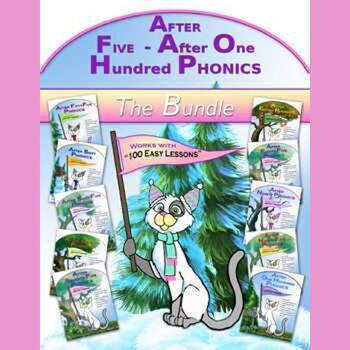
Ignite Your Child's Love for Reading with Our Ultimate Phonics Activities Bundle!
We hope you found immense value in the many reading strategy from the acclaimed book 'Teach Your Child to Read in 100 Easy Lessons.' As you're now likely aware, this strategy can play a pivotal role in your child's journey towards reading mastery.
But as enthusiastic and committed educators, we're always seeking ways to enrich your homeschooling experience and your child's learning journey. We understand that the desire to make education engaging, fun, and multi-faceted is at the heart of every homeschooling parent's mission.
Therefore, we'd like to introduce our comprehensive Phonics Activities Bundle, designed to perfectly complement 'Teach Your Child to Read in 100 Easy Lessons.' This bundle ensures that your phonics lessons don't end with the book but continue to provide a fun, engaging learning environment for your little one.

Our Phonics Activities Bundle is the answer to your wish for additional teaching resources to consolidate and practice the concepts from the book. Filled with sound flashcards, hands-on activities, engaging crafts related to phonics lessons, and essential writing practice sheets, this bundle offers the variety and engagement that keeps the learning experience fresh and exciting for your child.
Whether you're a seasoned homeschooler or just beginning your homeschooling journey, this bundle is designed to make your teaching experience smoother and more effective. From worksheets that guide children on how to write the letters to fun-filled crafts that create a hands-on learning experience, this bundle offers a well-rounded approach to phonics learning.

What's more, you don't need to wait long to incorporate our bundle into your homeschooling routine. You can introduce the Phonics Activities Bundle right after Lesson 5 of 'Teach Your Child to Read,' using it up until Lesson 100. Don't wait for the novelty of a new curriculum to wear off - add our resources into your phonics lessons right away for an engaging and diverse learning experience.
We believe in the quality of our resources, but we don't want you to just take our word for it. One of our happy parents shared, 'Love these printables. It was the main thing that made this program doable for us...' We are sure you'll find the bundle just as helpful in making the reading program a success for your child.
Remember, your dedication and the right resources are the perfect combination to lead your child to reading mastery. So why wait? Dive into our comprehensive Phonics Activities Bundle, and experience the joy of teaching reading at home!




